Is an Automatic Water Shutoff Valve Worth It?
A leak rarely starts with water pouring through the ceiling. More often, it begins as a pinhole behind a washing machine, a failed ice maker line, or a pipe that freezes while the house is empty. An automatic water shutoff valve gives your home a way to respond before that slow, hidden problem becomes soaked drywall, damaged flooring, mold cleanup, and an insurance claim.
For homeowners, the value is simple: know when water is moving when it should not be, get an alert quickly, and stop the supply when a leak is detected. The right system does not eliminate every plumbing risk, but it can dramatically reduce the amount of water released during many of the failures that cause the most expensive damage.
What an Automatic Water Shutoff Valve Does
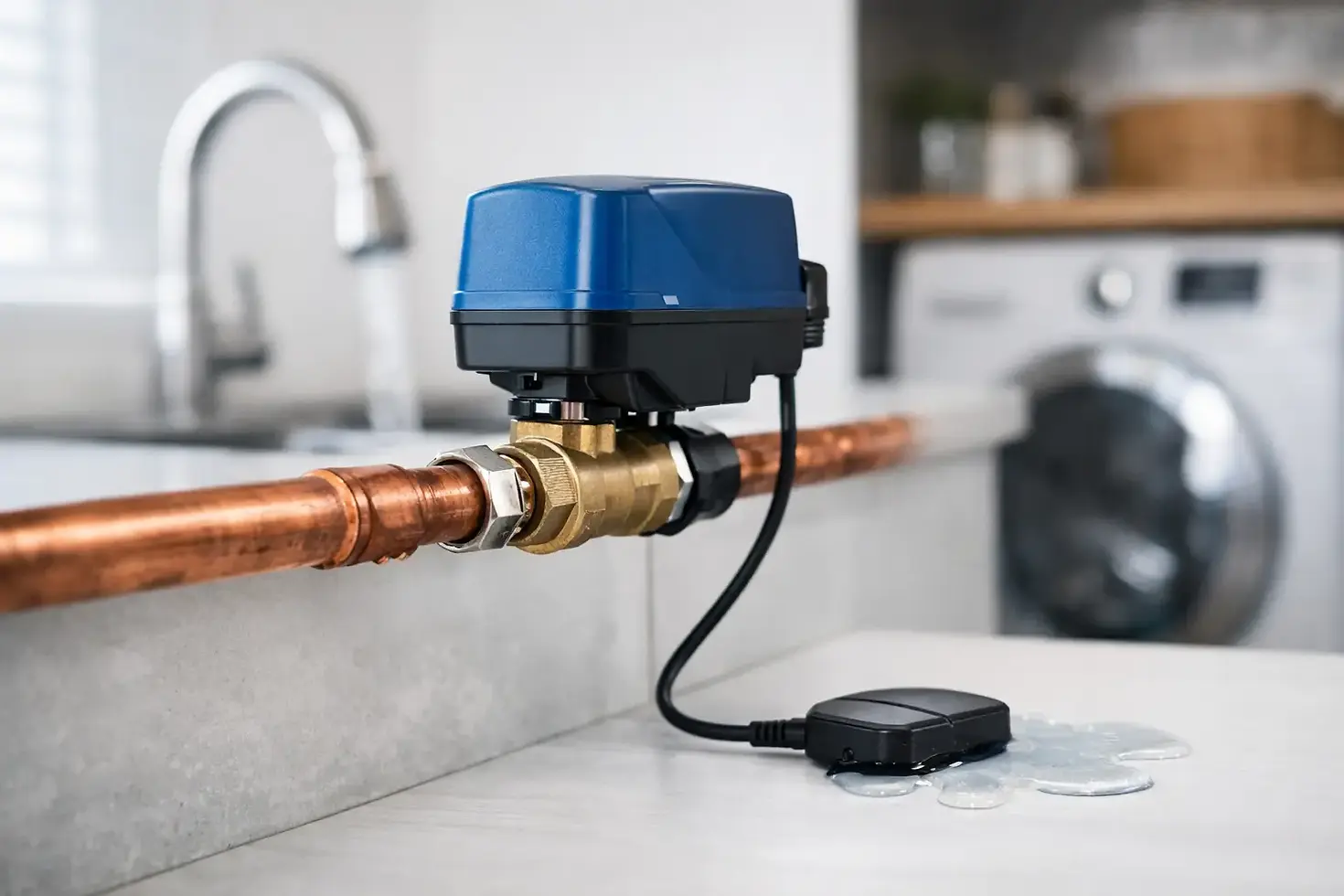
An automatic shutoff valve is installed on the main water line, typically near where water enters the home. It monitors water activity and can close the main supply when the system identifies a likely leak or receives a command from you.
That matters because many damaging leaks happen where nobody is looking. A supply line can fail in the middle of the night. A toilet can run continuously in a vacant property. A freeze event can split a pipe while you are out of town. Without a shutoff system, water may continue flowing until someone sees the problem or a neighbor calls.
Most smart shutoff systems pair the valve with connected leak sensors. Place sensors in high-risk areas such as beneath sinks, beside the water heater, behind the refrigerator, near the washing machine, and around bathroom fixtures. If a sensor detects water, the system sends an alert and can automatically close the valve.
Some systems also monitor flow at the main line. That helps identify unusual, continuous water use even when a puddle has not yet reached a sensor. Flow monitoring is useful for leaks inside walls, running toilets, irrigation issues, or a fixture that is quietly wasting water.
The Difference Between Alerts and Automatic Protection
A basic water sensor can notify you when it gets wet. That is better than finding damage hours later, but an alert alone still depends on you seeing it, understanding the situation, and getting someone to turn off the water.
An automatic water shutoff valve adds the physical response. When configured for automatic action, it closes the main water supply after a connected sensor detects a leak. You can also close the valve remotely through the app when an alert comes in.
That distinction is especially valuable for vacation homes, rental properties, and households that are often away for work or travel. An alert at 2:00 a.m. is useful. An alert paired with a shutoff command is far more useful.
Automatic shutoff is not always the best setting for every event. A sensor may detect a small spill from a shower, a pet water bowl, or a minor appliance overflow that does not require shutting down the entire home. The system should let you choose how alerts and automatic shutoff behave for each sensor or situation. Control matters as much as automation.
Where Water Damage Usually Starts
Homeowners often focus on dramatic burst pipes, but routine fixtures and appliance connections create frequent risk. The most vulnerable areas are usually the ones hidden behind cabinets, appliances, or finished walls.
Pay close attention to washing machine hoses, refrigerator water lines, water heater connections, under-sink supply lines, dishwasher lines, toilets, and utility rooms. In colder climates such as Denver, unheated spaces, exterior walls, garages, crawl spaces, and vacant homes deserve added attention during freezing weather.
A whole-home valve does not replace maintenance. Hoses still age, pipe insulation still matters, and a leaking toilet still needs repair. What the valve does is limit exposure while you identify and fix the cause.
Choosing the Right System for Your Home
The best setup depends on your plumbing, your comfort level with installation, and how much of the home you want to monitor. Start by identifying the main water line, the pipe material, and whether there is enough straight pipe to install a valve. Homes may have copper, PEX, CPVC, or other plumbing configurations, and the connection method must match the system and the pipe.
For a hands-on homeowner, an accessible installation option can make the project manageable without turning it into a major remodel. SharkBite connections can work well in appropriate situations because they reduce the need for soldering. Professional-grade press connections, such as Viega ProPress, are another strong option when installed with the correct fittings and tool.
A system like WOLF Pro Systems offers different paths based on how you want to handle the work: risk-area protection for DIY homeowners, a smart main shutoff valve with ProPress couplings for a more complete setup, or professional installation for homeowners who want the job handled for them.
Before buying, consider these practical questions:
Do you need a whole-home main shutoff valve, point sensors, or both?
Will the valve work with your pipe type and available installation space?
Do you want to install it yourself, use a ProPress tool, or hire an installer?
Can you monitor and operate the system from your phone while away?
What happens during a power outage or Wi-Fi interruption?
The final question is easy to overlook. Connected systems rely on power and network access for many smart features, but the valve's design, battery backup options, and local controls determine what protection remains when conditions are not ideal. Read those details before installation, not after an outage.
Installation: DIY-Friendly Does Not Mean Guesswork
Installing a main-line shutoff valve requires more care than placing a battery-powered sensor under a sink. You are working on the pipe that supplies the home, so you need to shut off water upstream, relieve pressure, measure accurately, and confirm that every connection is secure before restoring service.
If you have basic plumbing experience, a clean and accessible mechanical room, and the right connection method, a DIY installation can be realistic. Take the time to locate the existing manual shutoff and make sure it actually closes. Older valves sometimes fail when they are finally needed.
If the main line is corroded, cramped, difficult to access, or located before a complicated manifold, professional installation is often the better call. The goal is not to prove that you can do every part yourself. The goal is to end up with a reliable valve that operates correctly when a leak occurs.
After installation, test the system. Trigger each sensor with a small amount of water according to the manufacturer instructions. Confirm that you receive an app alert, verify the valve closes when it should, and practice reopening it. Everyone who manages the home should know where the manual shutoff is and how to use the app.
Monitoring Makes Protection More Useful
A shutoff valve is most valuable when you can see what is happening in real time. Mobile monitoring lets you receive leak alerts, check device status, and close the water supply from wherever you are. That changes how you manage a second home or prepare for travel.
Before leaving for a long trip, test the sensors, replace batteries as needed, and confirm your phone notifications are enabled. If you will be away during freezing weather, maintain safe indoor temperatures and ask a trusted local contact to check the property when possible. A valve is a powerful layer of defense, not permission to ignore a home for months.
It also helps to establish a simple response plan. If an alert arrives, first determine whether water has been shut off. Then contact anyone at the property, arrange a plumber if needed, and document the issue with photos once it is safe to enter. Fast action can save more than flooring. It can prevent a small repair from disrupting your family or tenants for weeks.
Is the Cost Worth It?
The right comparison is not the price of a valve against zero dollars. It is the cost of protection against the cost of one uncontrolled leak. Even a modest water event can require drying equipment, plumbing repair, drywall replacement, flooring work, and time away from normal life. Deductibles and insurance claims can add another layer of expense.
That does not mean every home needs the most advanced package. A homeowner who is usually present and wants coverage at known risk points may start with sensors and a DIY-ready system. A frequent traveler, owner of a vacation property, or manager of multiple homes may benefit more from a main shutoff valve with 24/7 app monitoring and automatic action.
Your home already has a manual shutoff valve. The question is whether someone will be there to use it at the exact moment it matters. Put protection in place while the pipes are dry, the ceilings are intact, and you still have the luxury of making a calm decision.


Comments