DIY Water Monitoring That Stops Damage Early
A washing-machine hose can fail while you are asleep. A tiny pinhole leak can soak a cabinet for weeks before it stains the floor below. A frozen pipe can become a burst pipe the moment temperatures rise. DIY water monitoring gives you a practical way to see these risks sooner, receive an alert, and decide whether the water needs to be shut off before a small problem turns into a major repair.
The goal is not to turn your home into a complicated plumbing project. It is to put visibility and control where they matter most: at the main water line and around the fixtures most likely to leak. For homeowners who travel, manage a second home, or simply want fewer surprises, that control can be worth far more than the cost of replacing wet drywall, flooring, and belongings.
What DIY Water Monitoring Actually Does
A water monitoring system watches for conditions that suggest water is moving when it should not be, or that water has reached a place it should not be. Depending on the equipment, it may track household water flow at the main line, use small sensors placed on the floor near appliances, or combine both approaches.
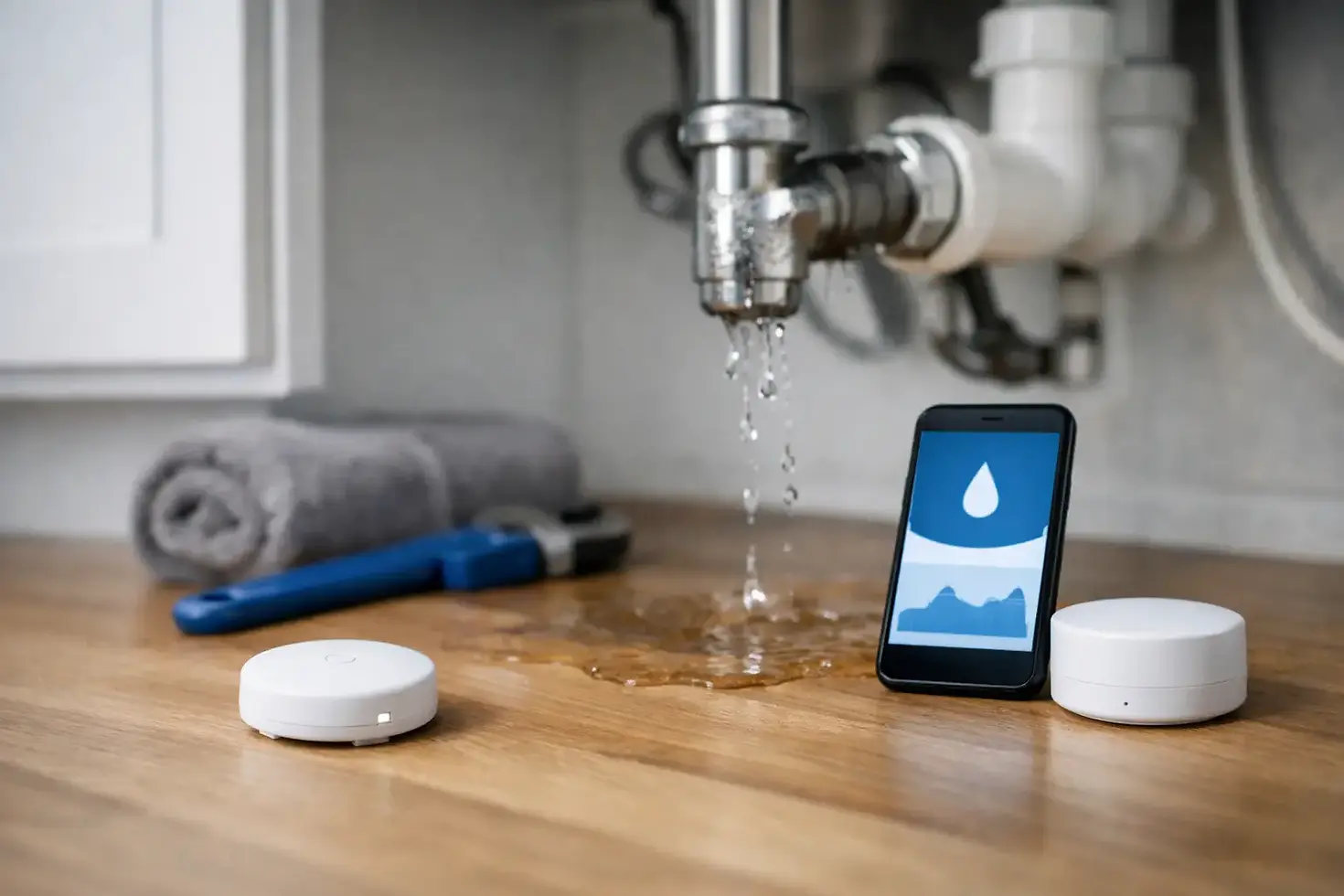
Floor sensors are direct and simple. Place one beneath a water heater, washing machine, dishwasher, refrigerator supply line, sink cabinet, or toilet. When water reaches the sensor, it sends an alert. This approach is effective for known risk areas, but it cannot identify a hidden leak inside a wall before water escapes.
Main-line monitoring provides a broader view. It can flag unusual or continuous water use, such as a toilet that keeps running, a supply line that breaks, or water flowing while the home is vacant. When paired with a smart shutoff valve, the system can also close the main water supply automatically or allow you to close it from your phone.
That distinction matters. Monitoring tells you something may be wrong. Automatic shutoff gives you a way to limit how much water can continue flowing after the alert. A sensor-only setup may be enough for a small, low-risk area. For whole-home protection, monitoring plus shutoff is the stronger option.
Start With the Water Risks in Your Home
Before buying hardware, walk through your property with one question in mind: where could water escape unnoticed? Most homes have a predictable set of weak points, but the right setup depends on your plumbing layout, age of the home, and how often someone is there to respond.
Start at the water heater. It holds a large volume of water and usually sits in a utility room, basement, garage, or closet where a slow leak can go unnoticed. Then check washing-machine hoses, dishwasher connections, refrigerator ice-maker lines, sinks, toilets, and humidifiers. If you have a finished basement, pay extra attention to any plumbing above finished ceilings and walls.
Freeze risk deserves its own assessment. In Denver and other cold-weather areas, pipes near exterior walls, crawl spaces, garages, and unheated rooms need closer attention. A water monitor will not physically insulate a pipe or keep a room warm, but it can help you catch water activity after a freeze-related failure. Pair monitoring with insulation, sealed drafts, and a plan for maintaining safe indoor temperatures when you are away.
Also consider how quickly you can act. If you work from home and can reach the main shutoff in seconds, an alert may be sufficient in some situations. If you spend weeks away, manage a vacation property, or have an elderly relative living alone, remote alerts and automatic shutoff offer a more meaningful layer of protection.
Choose Your DIY Water Monitoring Level
There is no single right configuration. The best choice is the one that covers your actual exposure without creating an installation project you will put off.
Risk-area sensors for focused coverage
A basic DIY setup places leak sensors at the highest-risk fixtures. This is the least invasive route and can be installed in minutes. It works especially well for a water heater pan, laundry room, under-sink cabinet, or mechanical room.
The trade-off is coverage. A sensor only detects water where you place it. If a pipe leaks in another part of the home, it may not alert you until water reaches a monitored area or becomes visible.
Main-line monitoring for whole-home awareness
A main-line monitor watches water use closer to its source. It is better suited to identifying unusual flow across the property, including leaks that are not directly above a floor sensor. This is often the practical next step for homeowners who want visibility while traveling or managing an unoccupied property.
Before selecting a system, confirm that it fits your pipe size, pipe material, and available space near the main shutoff. Take a photo of the plumbing area and measure the straight pipe length. That small bit of preparation can prevent the most common installation mismatch.
Monitoring plus automatic shutoff for active protection
This option adds a smart valve at the main water line. When a serious event is detected, the valve can stop water flow before hundreds or thousands of gallons move through the home. You can also use it to turn off water remotely before leaving for a trip.
Installation is more involved because you are working on the main supply. Some systems use push-to-connect fittings such as SharkBite, while professional-grade setups may use Viega ProPress couplings. Both can be appropriate, but the right choice depends on your comfort level, local requirements, pipe condition, and whether you have access to the correct tool.
WOLF Pro Systems offers a path for each level, from a $699 DIY Kit for essential risk-area coverage to a Pro Kit with a smart shutoff valve and professional installation options. The key is choosing protection you will actually install and keep connected.
Install It Like a Water Emergency Could Happen Tomorrow
A DIY installation should feel deliberate, not rushed. Begin by locating and testing your existing manual main shutoff valve. Every adult in the home should know where it is and whether it turns freely. If it is seized, corroded, or inaccessible, address that before relying on any smart system.
For floor sensors, clean and dry the placement area, then set each sensor where the first water is likely to collect. Avoid placing it on an elevated shelf or far from the appliance connection. Test the alert after setup by following the manufacturer’s instructions, and make sure every person who needs to respond has app access and notifications enabled.
For a main-line shutoff installation, turn off the water at the existing valve and relieve pressure by opening a faucet. Confirm the line is truly off before cutting or disconnecting any pipe. Follow the fitting instructions precisely, support the pipe so it is not under stress, and check every connection for leaks after restoring water.
If you are unsure about pipe condition, fitting compatibility, electrical power, or the required tools, stop there. Hiring a professional for the valve installation is not giving up on DIY. It is a sensible way to protect the investment and make sure the system works when it matters.
Set Alerts That Lead to Action
An alert is only useful if it reaches the right person and leads to a clear decision. Turn on phone notifications, keep the app updated, and test remote access while away from home. If your system supports multiple users, add a spouse, neighbor, property manager, or trusted family member who can respond when you cannot.
Decide now what each alert means. A small leak-sensor alert may call for a quick inspection. Continuous water use in an empty house may justify closing the main valve immediately. A freeze warning should prompt you to check indoor temperatures, exposed plumbing, and the home’s heating system before water starts flowing where it should not.
Do not ignore recurring low-level alerts. They may reveal a running toilet, irrigation issue, water softener problem, or a slow leak that is quietly increasing your utility bill. The most expensive water problems are often not dramatic at first.
Keep Your System Ready
DIY water monitoring is not a set-it-and-forget-it purchase. Check sensor batteries on a schedule, confirm your Wi-Fi connection remains reliable, and run a test alert after changing routers or phones. Inspect the area around the main valve periodically for corrosion, drips, or anything that could interfere with operation.
Most importantly, use the system before an emergency gives you a reason to. Close and reopen the water remotely when you are home, verify that household members understand the alerts, and practice finding the manual shutoff. The best time to learn how your water protection works is on an ordinary afternoon, not while water is spreading across the floor.


Comments